The 6 PMBOK 8 Principles Explained for PMP Candidates
- T. Laketia Jones
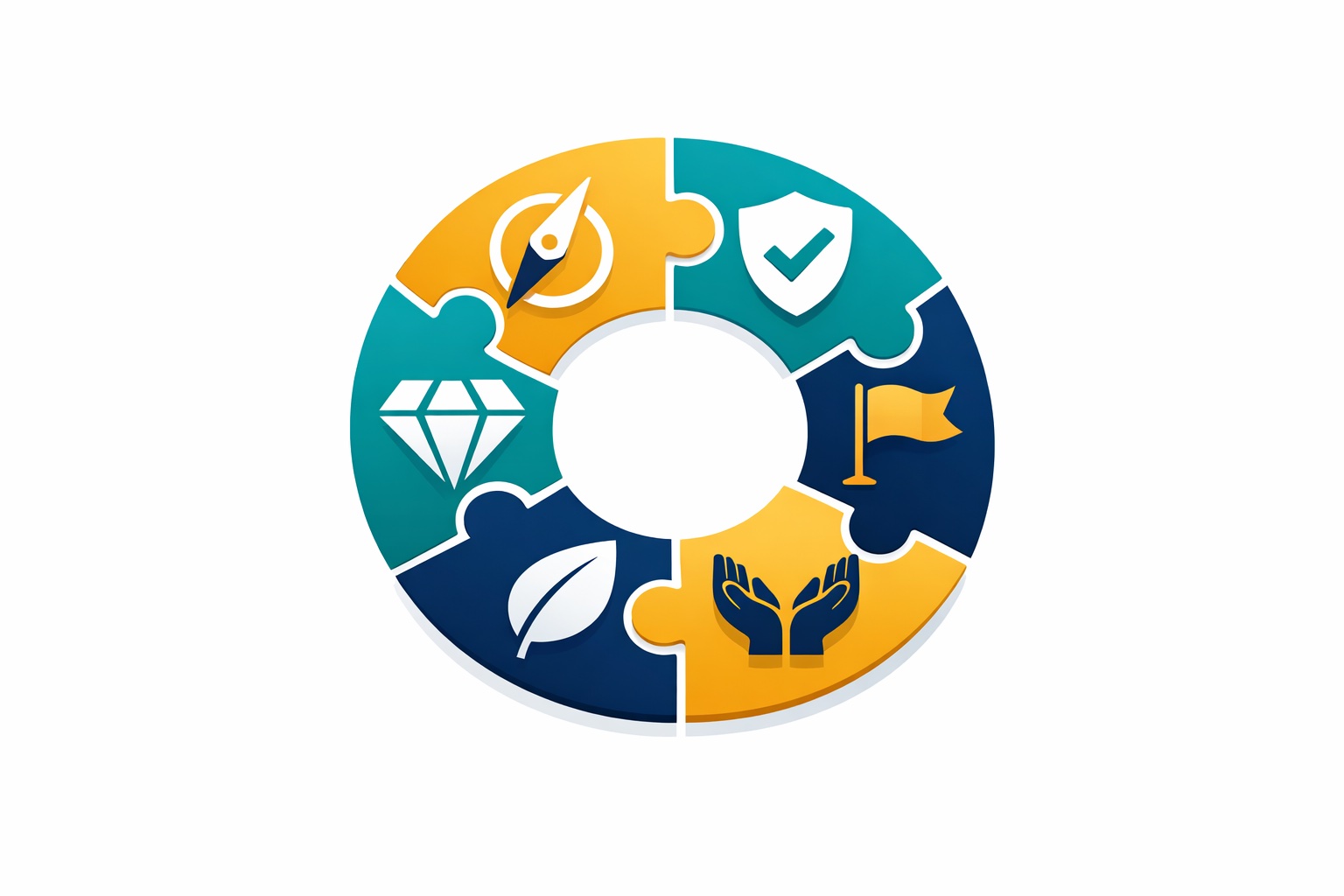
If you are studying for the PMP, the principles are the fastest way to understand how PMI wants a project professional to think. The PMBOK Guide, 8th edition, consolidates the previous edition's twelve principles into six [S2]. The Standard for Project Management describes them as guidance for mindset and behavior rather than rigid rules, and it notes that they complement one another instead of competing [S1].
That matters on exam day. The PMP exam asks you to apply concepts and experience to on-the-job situations through scenario-based questions, not to recite the Guide [S3]. When two answers both sound reasonable, the principles are often the tiebreaker.
Why Principles Matter More Than Memorized Steps
Processes tell you what work exists. Principles tell you how to make a judgment call when the situation is messy. In the Standard, PMI explains that the way a principle is applied depends on the organization, the project, the team, and the stakeholders [S1]. In other words, there is rarely a single script. There is a right way of thinking.
For PMP candidates, a useful habit is to read every practice question and ask: which principle would the best project manager honor here? You will start to notice that wrong answers usually break one of the six.
The Six PMBOK 8 Principles at a Glance
1. Adopt a Holistic View
This principle asks you to manage the project as a system of connected parts. The Standard ties it to systems thinking: seeing patterns and interdependencies rather than isolated snapshots, which makes it easier to trace a problem back to its root cause [S1].
Exam signal: the stronger answer looks at the impact on scope, schedule, cost, stakeholders, and risk together, instead of patching one symptom.
2. Focus on Value
PMBOK 8 treats value as the ultimate indicator of project success, and it can be measured with metrics such as return on investment or observed through qualitative benefits [S1]. The Standard also stresses outcomes over outputs. A deliverable can be finished and still fail to produce the benefit the customer wanted, so a team may need to add something, like training, to reach the real outcome. If a project can no longer deliver its intended value, ending it may be the responsible choice [S1].
Exam signal: look for answers that check the business case, prioritize work by value, and confirm benefits. This lines up with the Process task on value-based delivery [S4].
3. Embed Quality Into Processes and Deliverables
Quality in PMBOK 8 is about meeting acceptance criteria, the definition of done, and fitness for use, while keeping the processes themselves effective [S1]. Continuous improvement and waste elimination are foundational, and the Standard encourages building quality checks in early instead of inspecting at the end [S1].
Exam signal: prevention beats correction. An answer that reviews criteria or adds a quality check early usually beats one that waits for defects.
Practice the judgment, not just the vocabulary. The free Practice Scenarios let you make the call in realistic PMP situations and see why the best answer wins.
4. Be an Accountable Leader
Accountable leadership means taking ownership of objectives, actions, and decisions [S1]. PMBOK 8 also describes leadership as shared: any team member or stakeholder may step into a leadership role, and leadership is not the same as positional authority [S1]. The Standard gives an example of competing vendor teams on a large public project. Instead of simply enforcing each contract, an accountable leader brings the vendors together to find the root cause and agree on adjustments [S1].
Exam signal: the best answer usually involves the project manager acting directly, collaborating, and owning the outcome rather than escalating at the first sign of trouble.
5. Integrate Sustainability Within All Project Areas
Sustainability in PMBOK 8 covers environmental and social impact, from scheduling decisions that reduce resource use to risk management that addresses environmental and social threats [S1]. PMI also names sustainability as one of the trends it fed into the job task analysis behind the July 2026 exam [S3], and it appears inside exam tasks such as confirming compliance requirements and managing cost of quality [S4].
Exam signal: when an answer considers long-term environmental or social effects without sacrificing the objective, give it a second look.
6. Build an Empowered Culture
An empowered culture rests on mutual trust, clear roles and responsibilities, and shared team agreements, so people can contribute ideas freely and work well together [S1].
Exam signal: answers that coach, involve the team in decisions, or clarify roles tend to beat answers where the project manager dictates.
How the Principles Connect to the Performance Domains
The Standard maps the principles to the seven performance domains. Adopt a Holistic View is supported by all of them. Focus on Value and Embed Quality live mainly in Governance, Scope, Risk, Schedule, Finance, and Stakeholders. Be an Accountable Leader intersects with Governance, Stakeholders, and Risk. Sustainability and Empowered Culture apply across every domain [S1].
You do not need to memorize that map word for word. What helps is knowing that the principles are not a separate chapter. They run through every planning, delivery, and control decision. If you want the bigger picture of what changed in this edition, read PMBOK 8 Has Arrived and our breakdown of the 2026 PMP exam changes.
A Simple Way to Study the Principles
- Write one sentence per principle in your own words. If you cannot explain it simply, revisit that section.
- Tag your practice questions. After each question, note which principle the correct answer honored. Patterns appear quickly.
- Study the wrong answers. Most distractors violate a principle, for example by ignoring stakeholders or skipping the root cause.
- Practice in short daily sessions. A few questions every day keeps the ideas fresh. Our guide to scenario-based questions shows how to read a long scenario without getting lost.
Frequently Asked Questions
How many principles are in PMBOK 8?
Six. PMBOK 8 consolidates the twelve principles of the previous edition into six: Adopt a Holistic View, Focus on Value, Embed Quality Into Processes and Deliverables, Be an Accountable Leader, Integrate Sustainability Within All Project Areas, and Build an Empowered Culture [S1][S2].
Do I need to memorize the principles for the PMP exam?
Know their names and meaning, but focus on applying them. The exam uses scenario-based questions that ask you to apply concepts to on-the-job situations [S3].
Are the PMBOK 8 principles rules I must follow?
No. The Standard describes them as non-prescriptive guidance that shapes mindset and behavior, applied according to the project's context [S1].
Where does sustainability show up on the exam?
PMI lists sustainability as a trend used in building the July 2026 exam, and it appears in tasks such as compliance requirements and quality management [S3][S4].
Your Next Step
The principles click fastest when you see them inside real lessons and real scenarios. The PMBOK 8 Exam Prep course walks through every principle and domain and provides the 35 contact hours PMI requires. Not sure where to start? Take the free Skills Diagnostic first.
Sources
- [S1] PMI, The Standard for Project Management, in A Guide to the Project Management Body of Knowledge (PMBOK Guide), 8th ed. (2025), Section 3, Project Management Principles, pp. 35-55 (overview pp. 35-38; Holistic View p. 38; Focus on Value p. 40; Embed Quality p. 43; Accountable Leader p. 46; Sustainability p. 48; Empowered Culture p. 53)
- [S2] PMI, A Guide to the Project Management Body of Knowledge (PMBOK Guide), 8th ed. (2025), Preface, pp. vii-ix
- [S3] PMI, PMP Examination Content Outline (July 2026), pp. 4-6 (introduction, trends, scenario-based questions)
- [S4] PMI, PMP Examination Content Outline (July 2026), pp. 7-12 (domain tasks)